Organic Forest Honey vs Regular Honey: What’s the Difference? (Complete Guide 2026)
TL;DR: Wondering what makes organic forest honey different from regular supermarket syrup? It comes down to sustainable beekeeping, untouched forest environments, and zero processing. Here is everything you need to know about spotting pure honey, how we ethical harvest it using box hives, and why making the switch is a powerful upgrade for your family’s health.
If you have spent your whole life buying squeezy bottles of golden syrup from the supermarket, your first taste of real, natural honey is going to be a shock to your senses. It is darker, thicker, more robust, and carries the distinct aroma of wild woods & wild flowers.
But what exactly is the difference between the commercial honey sitting on grocery store shelves and authentic organic forest honey?
In 2026, as more families shift toward natural wellness and traditional foods, the demand for pure, unadulterated ingredients has skyrocketed. However, the honey industry is notoriously full of loopholes, misleading labels, and ultra-processed syrups.
In this complete guide, we are going to break down exactly what makes our Joida forest honey so special, how it is collected, and why making the switch could be one of the best choices for your health.
What is Organic Forest Honey?
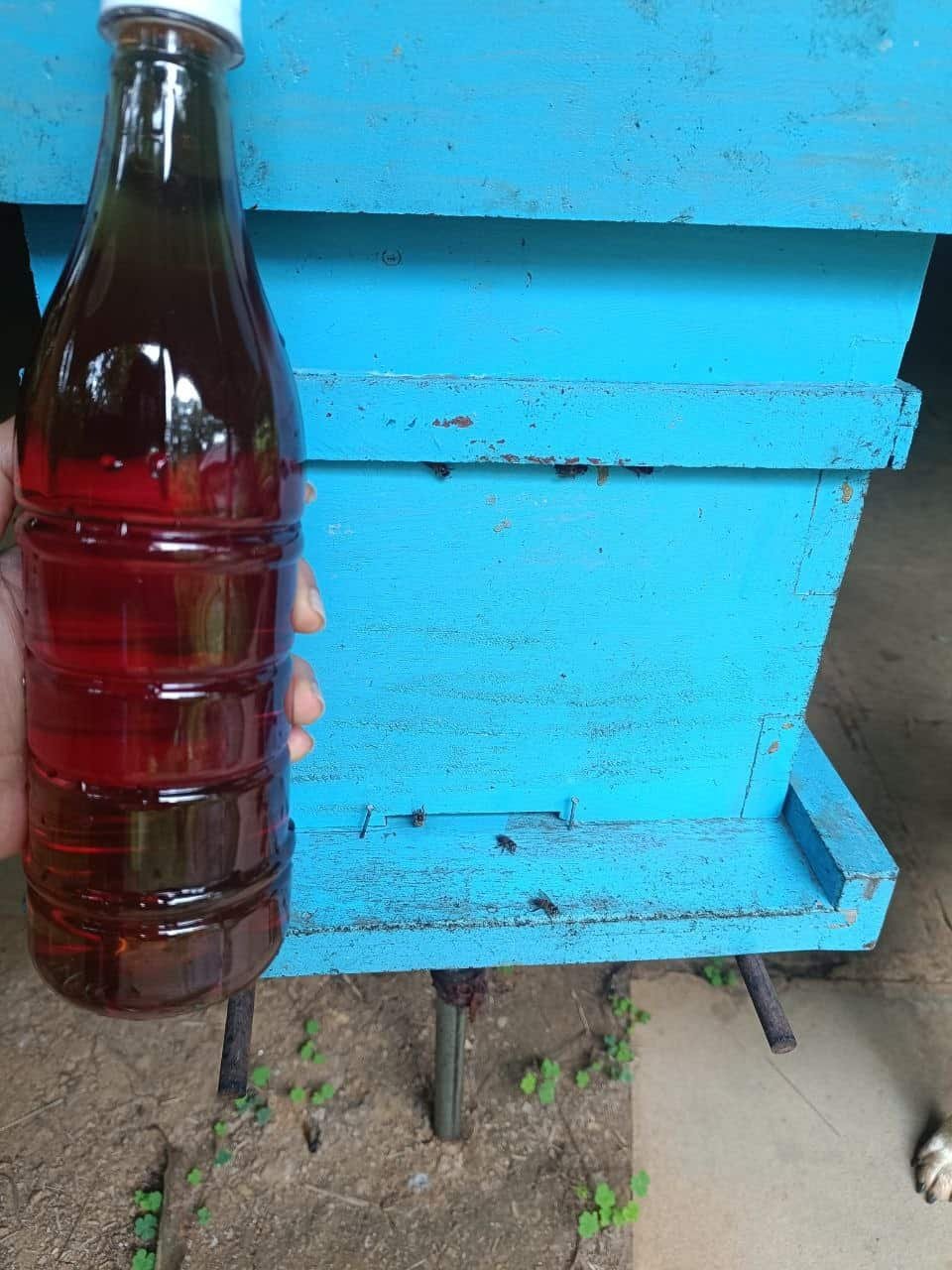
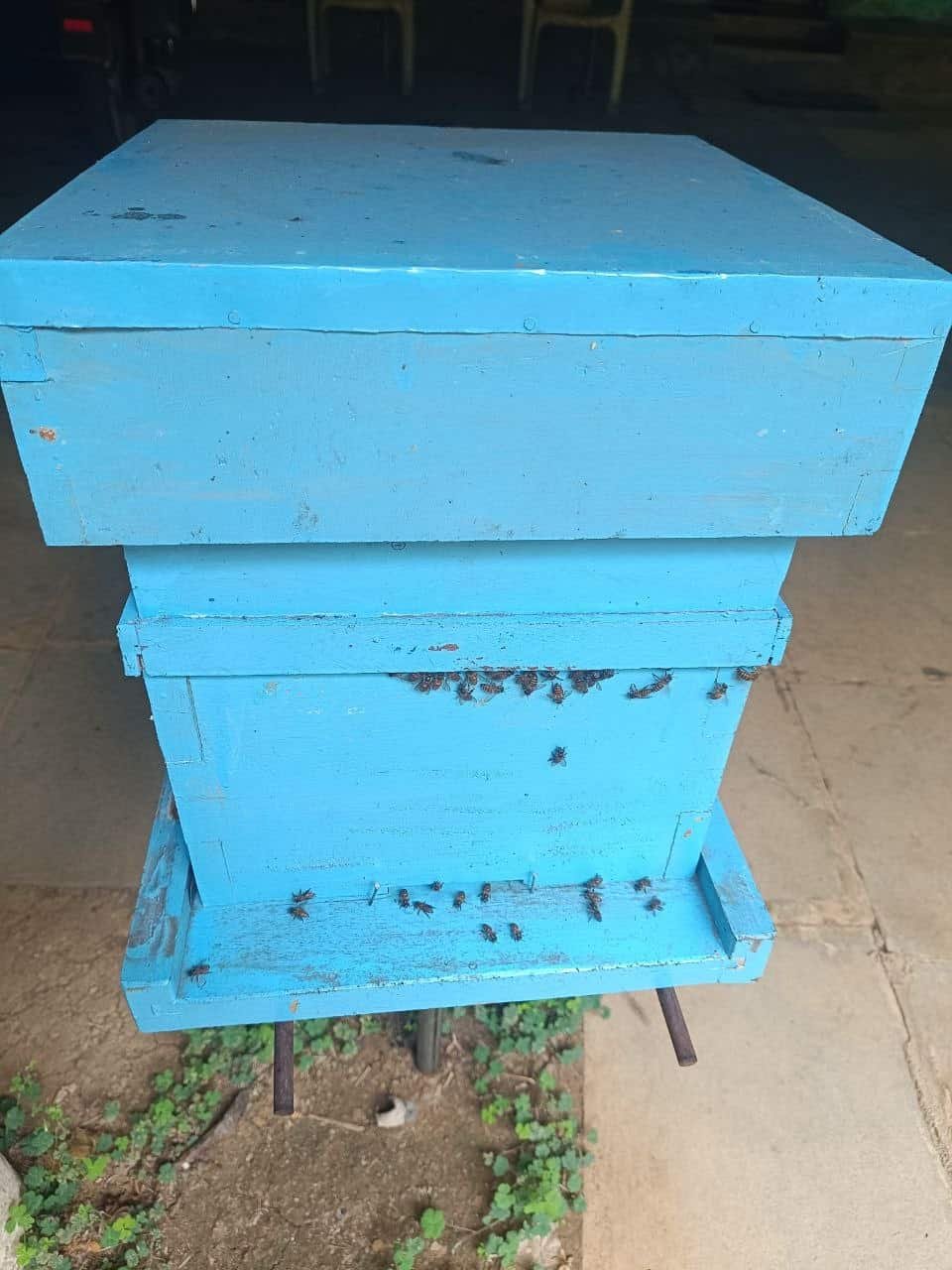
To understand organic forest honey, you have to understand its unique environment. Unlike regular commercial honey, which is produced near industrial monoculture crops heavily sprayed with pesticides; our honey comes from bees carefully kept in wooden apiary boxes nestled deep within the Western Ghats.
Instead of feeding on a single commercial crop, our bees fly freely for miles into the untouched forest, collecting nectar from hundreds of different wild herbs, medicinal plants, and natural forest blooms.
But what happens when our bees visit the local farms nearby? This is where our location becomes our greatest asset. Joida is proudly recognized as an organic taluk. This means our local farming communities rely strictly on traditional methods without the use of chemical fertilizers or toxic sprays. You can learn more about the strict environmental benefits of organic farming practices here. Because the entire region is chemical-free, whether our bees are foraging deep in the wild canopy or visiting a neighboring agricultural patch, the nectar they bring back remains 100% pure, safe, and untainted.
How Forest Honey Is Collected
The journey of raw honey from the apiary box to your jar is a labor of love, deep respect, and immense skill.
Mass-market commercial apiaries often over-extract honey, leaving the bees with nothing to eat, which forces beekeepers to feed the colony artificial sugar syrup to survive. Our approach in Joida is an entirely different world. We rely on ethical, small-scale beekeeping.
Our local farmers maintain these wooden boxes strategically placed near the rich forest edges. When it is time to harvest, we use gentle, sustainable smoking techniques that calm the bees without causing them any harm. We carefully open the boxes and extract only the surplus honey from the frames, deliberately leaving the brood (baby bees) safe and ensuring the colony has more than enough natural food to thrive and rebuild.
Once collected, the honey is cold-pressed and gently filtered through simple cotton cloths to remove natural wax and debris. We never use pasteurized or heated to high temperatures. Nothing else is added, and nothing is taken away.
Forest Honey vs Regular Honey
When you place a jar of commercial honey next to a jar of our Joida forest honey, you are looking at two entirely different foods. Here is a clear breakdown of the differences:
| Feature | Regular Commercial Honey | Organic Forest Honey |
|---|---|---|
| Source | Farmed bees near conventional monoculture crops sprayed with chemicals. | Ethically kept bees foraging in biodiverse forests and organic agricultural zones. |
| Nectar Variety | Usually single-floral (one type of flower). | Multi-floral (hundreds of wild, medicinal forest plants & organic crops). |
| Processing | Highly pasteurized (heated) and ultra-filtered. | 100% Raw and cold-pressed. Unheated and minimally filtered. |
| Nutritional Value | Heating destroys most active enzymes, antioxidants, and vitamins. | Retains all natural enzymes, amino acids, and pollen. |
| Chemical Exposure | High risk of pesticide and herbicide runoff from nearby farms. | Zero chemical exposure. Harvested exclusively in an organic taluk. |
Why Taste and Color Can Vary
If you buy a branded bottle of regular honey, it will taste, look, and pour exactly the same every single time. That level of standardization is actually a red flag. Nature is not a factory.
One of the most beautiful things about natural honey is its inconsistency. Every batch is a unique reflection of the season, the weather, and the specific flowers that were blooming in the forest and organic farms at that exact time.
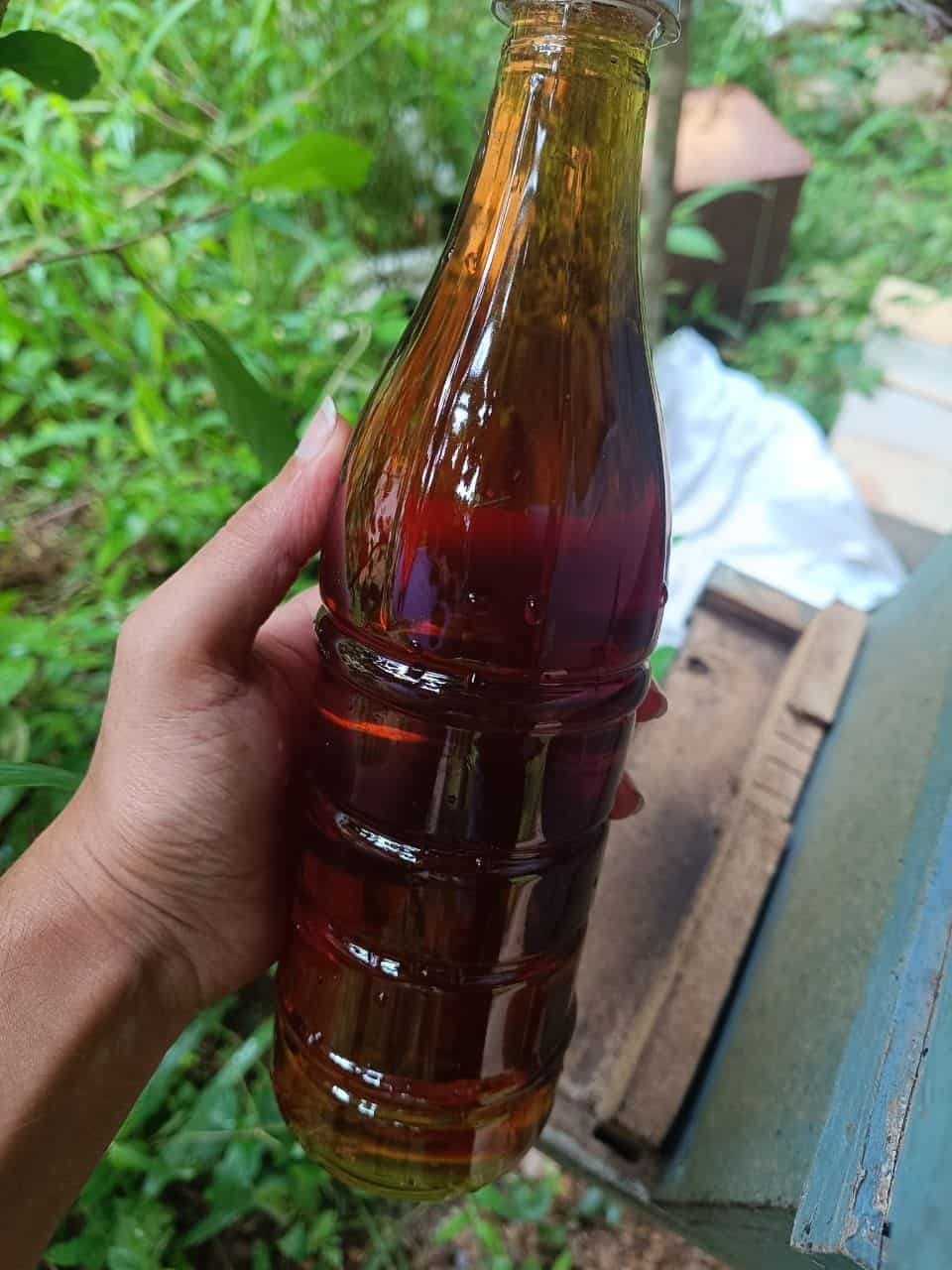
During the early summer, the bees might feast on the nectar of wild Jamun or indigenous berry bushes, resulting in a dark, slightly bitter, and highly medicinal honey. After the monsoons, the floral landscape changes entirely, leading to a lighter, sweeter, and more floral batch. Sometimes, if the harvest comes from a very specific tiny species of native bees, you get incredibly rare, tangy varieties like our wild stingless bee honey (Cheruthen).
When you consume raw forest honey, you should expect variations in color (from deep amber to dark brown), texture, and taste. This variation is the ultimate proof that your honey is completely authentic and unblended.
How to Identify Pure Forest Honey
Because the market is flooded with adulterated honey mixed with rice syrup, corn syrup, or inverted sugar, it is crucial to know how to spot the real thing. Here are a few simple tests you can do at home to verify your organic honey:
- The Water Test: Drop a spoonful of honey into a glass of room-temperature water. Fake syrup-heavy honey will immediately start dissolving. Real forest honey is dense and will sink straight to the bottom of the glass as a solid lump.
- The Thumb Test: Place a drop of honey on your thumbnail. If it spreads around wildly or runs off quickly, it likely has high water content and added syrups. Pure honey will hold its shape and stay as a cohesive drop.
- The Flame Test: Real honey is highly flammable. Dip a dry matchstick into your honey and try to strike it against the matchbox. If it lights up and burns, your honey is pure. If it fails to light, the honey contains added moisture or artificial syrups.
Common Myths About Forest Honey
Even among health-conscious buyers, there is a lot of misinformation surrounding wild honey. Let’s bust the most common myths:
- Myth 1: If honey crystallizes, it means sugar was added.
The Truth: This is the biggest misconception in the honey world! All raw, unheated honey will eventually crystallize (turn thick and grainy) over time. It is a natural chemical process depending on the glucose-to-fructose ratio of the wild nectar. If your honey crystallizes, celebrate—it means it is truly raw! Just place the glass jar in a bowl of warm water, and it will turn liquid again. - Myth 2: Honey never spoils, so storage doesn’t matter.
The Truth: While pure honey found in ancient Egyptian tombs is technically still edible, improper storage can ruin its active enzymes. Always store your honey in a glass jar (never plastic) in a cool, dark place away from direct sunlight. Never refrigerate it, as this speeds up crystallization. - Myth 3: Thick honey is always better.
The Truth: The thickness (viscosity) of honey depends purely on the ambient humidity of the forest and the type of flowers the bees visited. Forest honey harvested during humid months may be naturally slightly thinner than honey harvested in peak dry summers.
Is Forest Honey Right for Daily Use?
Absolutely. Integrating natural honey into your daily routine is one of the easiest and most effective ways to upgrade your family’s health.
The forest honey benefits are vast and well-documented in traditional Ayurvedic medicine. Because it is unheated, it is packed with antibacterial, antifungal, and antiviral properties.
- Morning Immunity: Start your day with a spoonful of raw honey mixed into a glass of lukewarm (never boiling!) water with a squeeze of fresh lemon. This aids digestion, flushes toxins, and provides a clean energy boost.
- Natural Cough Suppressant: The thick, viscous nature of natural honey coats the throat, while its antibacterial properties help soothe inflammation and fight off minor respiratory infections.
- Pre-Workout Fuel: Instead of highly processed energy gels or sugary pre-workouts, a single spoon of raw honey provides natural, easily digestible glucose and fructose for sustained stamina.
Why We Source Honey Around Joida
When it comes to sourcing the finest Forest Honey India has to offer, location is everything. You cannot get pure honey from a patch of trees near a polluted city highway.
This is why we at Joida Harvest are deeply rooted in the Western Ghats. Specifically, the dense, lush, and protected forests surrounding Joida in Karnataka. The Western Ghats are recognized globally as a UNESCO World Heritage Site and one of the world’s eight “hottest hotspots” of biological diversity.
The air here is crisp, the Kali River runs clean, and the region’s status as an organic taluk guarantees the environment is untouched by industrial agriculture. Sourcing from this area means our bees have access to thousands of rare, endemic, and medicinal plant species that simply do not exist anywhere else on earth. By working directly with local, ethical beekeepers in this pristine environment, we ensure that every drop of honey we offer is sustainable and explosively rich in natural health benefits.
Frequently Asked Questions
How long does raw forest honey last?
Real, raw honey never truly expires. When stored properly in a sealed glass jar away from direct sunlight and moisture, it can last for years. It may naturally crystallize over time, which is a sign of absolute purity, not spoilage.
Why is the color of my honey different from my last order?
Our bees forage on whatever flowers are naturally blooming in the forest and organic farms during that specific season. A summer harvest might be dark and robust, while a post-monsoon harvest might be lighter and sweeter. This natural variation proves the honey is unadulterated and not artificially blended.
Does harvesting honey harm the bee colonies?
Not at all! We use ethical box-hive methods. We only harvest the surplus honey from the frames, leaving the brood (baby bees) completely safe and ensuring the colony has enough of their own food to rebuild and thrive naturally.
Can I use organic forest honey for skincare?
Yes! Because it is completely raw and unheated, it retains powerful antibacterial and anti-inflammatory properties. Many people use it as a natural face mask or spot treatment to soothe the skin, reduce redness, and lock in moisture.
Final Thoughts
Making the switch from processed commercial syrup to organic forest honey is more than just a dietary change; it is a return to authentic, traditional food.
Real honey is a living food. It carries the aroma of the wild woods, the medicinal properties of a thousand different flowers, and the legacy of the sustainable beekeepers who harvest it. While it may look different, taste stronger, and occasionally crystallize in your pantry, these are the beautiful hallmarks of nature doing what it does best.
If you are ready to experience the true, potent taste of the Western Ghats, you can explore our latest seasonal harvest of pure, unadulterated honey directly in the Joida Harvest shop or contact our team for bulk inquiries.